

Continue Your Education with a BSN
Many individuals enter the nursing profession driven by a desire to help others. As they gain experience, many seek to advance their careers to provide a higher level of care and to access new opportunities. But how can nurses move up the professional ladder, and what benefits come with pursuing advanced education in the field?
Exploring the Hierarchy of Nursing Careers
The nursing profession is structured across several levels, each with its own responsibilities, requirements, and opportunities.
– Licensed Practical Nurses (LPNs) are responsible for basic patient care tasks, often under the supervision of registered nurses (RNs) or doctors. While their role is crucial, it is limited in scope, and they typically work in supportive roles.
– Registered Nurses (RNs) hold an Associate Degree in Nursing (ADN) and must pass a licensing exam to practice. RNs are responsible for direct patient care, coordinating treatments, and providing emotional support. Due to the increasing complexity of healthcare, many medical facilities now require nurses to have a Bachelor of Science in Nursing (BSN) to stay competitive in the job market.
– Nurse Practitioners (NPs) hold advanced degrees, such as a Master of Science in Nursing (MSN) or Doctor of Nursing Practice (DNP). NPs are licensed to diagnose and treat patients, prescribe medications, and in many states, they can operate independently, without physician supervision. Becoming an NP requires passing a national certification exam and meeting specific state regulations.
The Value of a Bachelor of Science in Nursing (BSN)
Nurses may wonder if investing in a BSN is worth it, especially when there is a shortage of healthcare workers. While it’s true that many nurses can find work with an ADN, obtaining a BSN opens the door to a wider range of career opportunities. Nurses with a BSN are often considered for leadership roles, such as charge nurses, nurse managers, or clinical educators, which are not typically available to those with only an ADN.
Moreover, nurses with a BSN tend to earn higher salaries, as they are qualified for more specialized positions. Many hospitals and healthcare systems now require nurses to obtain a BSN within a certain time frame as part of their employment policies.
Key Strategies for Advancing Your Nursing Career
Beyond formal education, nurses can advance their careers through several other strategies.
1. Lifelong Learning: The Importance of Continuing Education
As healthcare evolves, staying current with new techniques, technologies, and treatment protocols is crucial. Nurses can pursue ongoing education through professional development seminars, online courses, and graduate school programs. These opportunities allow nurses to deepen their expertise and remain competitive in their field.
2. The Power of Mentorship in Nursing
Mentoring can be an invaluable tool for professional growth. Experienced nurses can provide guidance to less-experienced colleagues, offering advice on career development, work-life balance, and navigating challenges like burnout. A mentor can help a nurse explore different specialties, evaluate career options, and offer insights based on their own journey in the field.
3. Networking and Growth: The Benefits of Professional Conferences
Nurses should take advantage of professional conferences, which provide opportunities for networking, learning, and growth. These events often offer continuing education sessions and workshops while fostering connections with other healthcare professionals. Conferences also serve as great venues for finding mentors or collaborators who can support a nurse’s career advancement.
4. Strengthening Your Career Through Nursing Associations
Becoming a member of professional nursing associations can provide access to valuable resources, including job listings, professional development programs, and advocacy efforts. Many associations offer members discounts on educational materials, certification programs, and conferences. One prominent organization to consider is the American Nurses Association (ANA), which advocates for the nursing profession and offers various career advancement resources.
Why Pursuing Higher Education is Key to Nursing Success
Pursuing further education is one of the most effective ways for nurses to expand their career potential. A Bachelor of Science in Nursing (BSN) is often the first step toward advancing in the field, providing nurses with greater career flexibility, leadership roles, and higher salaries. Once a BSN is earned, many nurses choose to pursue a Master’s or Doctoral degree to deepen their expertise and specialize in areas such as nurse anesthesia, nursing administration, or clinical nursing practice.
Every nurse’s career path is unique, so it’s important to choose educational and professional opportunities that align with personal goals, lifestyle, and interests. The nursing profession offers a wealth of opportunities for those who are committed to advancing their skills and knowledge. With dedication and the right support, nurses can find a wide range of avenues for career growth and personal fulfillment.
How Learning Style Impacts
Welcome to “Understanding Your Learning Style”
Unlock Your Academic Potential by Discovering How You Learn Best
Have you ever wondered why some study methods work better for others than for you? That’s because we all process information differently—and understanding your learning style can be a game changer for how effectively you study and retain knowledge.
Let’s break it down: learning styles refer to the way we take in, understand, express, and remember information. While everyone has a bit of each learning style within them, most people have a dominant one that shapes their study preferences. There are four main types: Visual, Auditory, Read/Write, and Kinaesthetic. Here’s a quick guide to each:
1. Visual Learners: Seeing is Believing
If you grasp information best when it’s presented visually, you’re a visual learner. Charts, diagrams, and symbols are your best friends. Try:
- Replacing words with symbols in your notes.
- Drawing mind maps to show relationships between ideas.
- Color-coding and spatially arranging your notes.
University lectures often lack visuals, so supplement with visual aids whenever possible.
2. Auditory Learners: Learn by Listening
Do you remember what your professor said more than what was written? You’re likely an auditory learner. To make the most of your style:
- Read your notes aloud or explain them to someone else.
- Join or create study groups for discussion-based learning.
- Record lectures or yourself explaining key ideas.
Hearing the material reinforces your understanding and memory.
3. Read/Write Learners: The Classic Scholars
If you love lists, note-taking, and textbooks, you probably thrive in traditional academic settings. You’ll benefit from:
- Rewriting and condensing notes in your own words.
- Creating glossaries of course terms.
- Using headings, bullet points, and definitions to organize your material.
This style aligns closely with how most courses are designed—take advantage of it!
4. Kinaesthetic Learners: Hands-On, Minds-On
You learn by doing. Labs, simulations, and practice exams are where you shine. To make studying more effective:
- Use real-life examples and personal connections to explain concepts.
- Engage multiple senses—walk while reviewing, use flashcards, build models.
- Practice problems and apply theory to practical situations.
Learning through action helps your brain lock in the material.
Your Style Might Change—and That’s OK!
Learning styles can evolve as you grow academically. It’s helpful to revisit the VARK annually to make sure your study techniques still fit your needs. You may even discover that you’re a multimodal learner, someone who benefits from two or more styles equally.
Don’t Limit Yourself
Even if you identify with one dominant style, you can borrow techniques from the others. In fact, combining strategies often leads to deeper understanding and better retention.
It Takes Time to Build New Habits
Adjusting your study methods doesn’t happen overnight. It can feel awkward or time-consuming at first, but with consistency, it becomes second nature. The key is to keep practicing—and don’t give up!
Understanding how you learn is one of the most empowering steps you can take as a student. So take the time, explore your preferences, and study smarter—not harder.
Source: Wilfred Laurier University
Become a Psychiatric Nurse
Psychiatric Nursing
Although most people think of physical care when they think about the duties of a nurse, there are also nurses who specialize in mental health treatment. Millions of Americans are affected by mental illness each year. Psychiatric nurses have the specialized knowledge and skills needed to treat these illnesses. Let’s find out more about this career path.
What does a psychiatric nurse do?
Common job duties for psychiatric nurses include:
- Doing intake screenings and evaluations of new patients
- Administering medications
- Educating patients and their families about conditions and treatments
- Practicing crisis intervention
- Increasing community awareness of mental health
- Teaching patients about self-care
Like any other nurse, a psychiatric nurse works as part of a healthcare team. Psychiatric nurses usually work with psychiatrists, social workers, and therapists.
Where do psychiatric nurses work?
Psychiatric nurses’ unique skills and training mean that they can find roles in many different types of work environments. Many psychiatric nurses work in hospitals, just like nurses in other specialties. Others work in specialized mental health clinics, rehab facilities, assisted living facilities, or schools.
How do you become a psychiatric nurse?
To become a psychiatric nurse, you first need to get a nursing degree. Although it’s possible to become a nurse with a two-year Associate’s degree, getting a Bachelor of Science in Nursing (BSN) degree can give you an advantage in the job market.
After you have your degree, you’ll need to be licensed by your state nursing board and pass the NCLEX exam. At that point, you will be ready to look for employment as a Registered Nurse (RN).
After you have two years of experience as a full-time RN, have completed 30 hours of continuing education in mental health-psychiatric nursing, and 2,000 or more hours in clinical practice in mental health-psychiatric nursing over three years, you’ll be eligible to pursue the psychiatric-mental health certification from the American Nurses Credentialing Center (ANCC).
Start your nursing journey with Sumner
Sumner’s Bachelor of Science in Nursing program can be completed in less than three years, so you can become an RN and start getting work experience needed for a specialty like psychiatric nursing faster. Contact us today to get more information.
How Much Do Oregon’s Registered Nurses Earn
According to the survey results, RNs in Oregon earn an average hourly wage of $55.14, equating to an annual salary of $114,694. The Oregon Center for Nursing (OCN) recently conducted a statewide wage survey of Oregon’s registered nurses (RN) to explore the variances in compensation across different work settings and geographical areas. By examining wage disparities, this study is meant to uncover the wage structures that affect how long nurses stay in their jobs and to challenge common beliefs about how nurses’ salaries vary. Including responses from nurses across the state and from a wide range of work environments, the survey offers a detailed view of the financial challenges these essential healthcare workers face. The aim was not only to detail the present situation regarding nurse pay but also to help policymakers, nursing professionals, and employers tackle important issues related to maintaining a stable workforce and ensuring fair wages. This report is designed to be a foundational resource, facilitating informed decision-making that supports the welfare of nurses and overall efficacy of Oregon’s healthcare system.
Download the report here: OCN Salary Report https://oregoncenterfornursing.org/topic/nursing-supply/
The Vital Role of Nurses in Heart Health
Article Shared from DiversityNursing.com
It’s American Heart Month. It’s important to promote cardiovascular health and explore the many ways Nurses are engaged in these efforts.
According to the CDC, heart disease is the leading cause of death for men, women, and people of most racial and ethnic groups in the United States.
Nurses are advocates of heart health in various healthcare settings, spanning from hospitals and clinics to community and public health initiatives. Their contributions encompass a wide range of roles, from prevention and education to acute care and rehabilitation.
Here are some key aspects of Nurses’ roles in heart health:
Health Promotion and Education
Nurses thoroughly evaluate patients for potential risk factors that can contribute to heart disease, including hypertension, diabetes, high cholesterol, smoking, and obesity. They educate individuals about how these factors can affect their heart health.
Through personalized guidance, Nurses encourage regular exercise, a well-balanced diet, smoking cessation, and effective stress management techniques to ensure long-lasting positive changes.
Screening and Early Detection
Nurses are skilled in regularly monitoring blood pressure, identifying signs of hypertension, and guiding patients towards effective management. They actively participate in the screening process to detect abnormal lipid levels, providing education on the significance of cholesterol control, and offering valuable assistance in medication compliance.
Patient Assessment and Monitoring
Identifying the telltale signs and symptoms of cardiovascular diseases, such as chest pain, difficulty breathing, and irregular heartbeats are critical aspects of a Nurses’ role. Recognizing these symptoms early on enables Nurses to take immediate action and provide timely intervention.
When patients are prescribed medications, Nurses monitor their progress, ensuring they understand the importance of following the regimen and manage any potential side effects.
Acute Cardiovascular Care
Nurses are at the forefront during critical cardiac events, offering immediate care in emergency scenarios, administering vital medications, and aiding in life-saving interventions. Following procedures like angioplasty or bypass surgery, Nurses closely monitoring patients, effectively managing any complications that may arise, and providing valuable education for a seamless recovery journey.
Rehabilitation and Chronic Disease Management
Cardiac rehabilitation programs is where Nurses guide patients through personalized exercise routines, offer valuable insights on lifestyle modifications, and provide unwavering emotional support. For individuals with chronic heart conditions, Nurses manage symptoms, optimize medication regimens, and collaborate with other healthcare professionals to ensure comprehensive and coordinated care.
Community Outreach and Prevention Programs
Community outreach programs increase awareness of the importance of heart health. Nurses provide valuable information regarding prevention strategies, early detection methods, and the significance of leading a healthy lifestyle. Additionally, Nurses take charge in organizing and participating in cardiovascular screening events within the community. These events serve as a platform to identify potential risk factors and promptly intervene, ensuring the well-being of individuals and the promotion of heart health for all.
Advocacy and Support
Nurses serve as advocates for patients, ensuring they receive the necessary care and support, while also ensuring their concerns are heard and addressed by the entire healthcare team. Dealing with heart health issues can be emotionally challenging for the patient and their loved ones. Nurses provide emotional support to patients and their families, helping them navigate the psychological impact of cardiovascular diseases.
Nurses play a pivotal role in the comprehensive care of individuals with heart health issues, contributing to prevention, acute care, rehabilitation, and community health initiatives. Their multifaceted approach helps address the complex and interconnected factors influencing heart health.
Emergency Room Nursing
Have you been thinking, “How can I start my nursing career in an ER?”
Begin by obtaining a solid understanding of nursing through an approved BSN program such as what we offer at Sumner. We teach you the medical and patient care skills you need to work in this atmosphere.
This experience builds your clinical skills and confidence, which are crucial in an ER setting.
We offer the opportunity to build connections within the healthcare community through our clinical experiences included in our program.
Become an ER Nurse
At Sumner College, we are committed to guiding you through your nursing education and supporting you in achieving your career aspirations, including working in an ER.
Click below to learn more about our nursing programs and how we can help you prepare for a career in an ER setting!
Flexible And Balanced Online RN To BSN Program
Wondering what it’s like to pursue a nursing degree online? At Sumner College, our RN to BSN program fits the busy lives of working nurses like you, offering a flexible and engaging online learning experience.
Online RN to BSN Program
Balancing work, life and education is a challenge. Our online program offers the flexibility to study at your own pace and on your own schedule, making it easier to juggle professional commitments and personal responsibilities.
However, just because it’s online doesn’t mean you’re alone. Our courses are interactive, with opportunities for real-time engagement with instructors and fellow students, fostering a collaborative learning environment.
Our coursework is designed to be relevant and applicable to your current nursing practice, allowing you to integrate new knowledge and skills immediately into your professional life.
Curious about taking the next step in your nursing career with our online RN to BSN program? Talk to one of our admission reps and learn more about the program.
Advance Your Nursing Career
Are you a Registered Nurse wondering what the next step is in your career?
Explore why pursuing a Bachelor of Science in Nursing (BSN) at Sumner College could be a game-changer for you!
RN to BSN Program
A BSN program deepens your understanding of patient care, advanced nursing techniques and healthcare management, preparing you for a range of roles in the healthcare sector. You will become well-positioned for leadership roles.
Many healthcare employers now prefer or require a BSN for advanced positions. By earning your BSN, you’re not just meeting the current standards – you’re staying ahead in the competitive job market.
The best part of our program is you can complete it fully online in just 13 months.
Ready to discover how a BSN can transform your nursing career?
Learn more about our RN to BSN program now.
Are BSNs Required To Work In Hospitals
BSN Career
Aspiring nurses often ask, “Is a BSN required to work in hospitals?”
There are hospitals and healthcare settings that prefer this licensure because it demonstrates your commitment to the field of healthcare. A BSN tells future employers that you are serious about your career.
The key is to align your education with your career goals. At Sumner College, we’re dedicated to helping you navigate your educational and career path towards nursing.
Curious about how to start your nursing career and the pathways available to you?
Explore the diverse BSN program at Sumner College. Download our BSN Program Brochure
Submit an Application to Sumner College and enroll today in our next BSN class.
The Exciting Possibilities of Perioperative Nursing
Johnson & Johnson nursing discusses perioperative nursing.
Perioperative Nursing
There’s something unique about the patient advocacy that happens in an operating room.
No matter the setting or specialty, nurses are always fierce patient advocates, ensuring that patients’ health and safety are protected. But when patients are under anesthesia, it’s different.
“Everywhere else in the hospital, patient’s families can be there with them, but they cannot be in the operating room,” says Debbie Smith, Senior Clinical Manager at Association of periOperative Registered Nurses. “The biggest role we have is the role of the patient advocate.”
Perioperative or operating room (OR) nurses provide hands-on patient care throughout a surgical experience – before, during and after a patient’s procedure. These nurses play an essential role in patient safety, and the need for perioperative nurses is expected to grow more than 12% by 2028.
In addition to providing high-quality, team-based, patient-centric care, working in a variety of settings and across various specialties, this dynamic, exciting and highly rewarding specialty has ample opportunities for professional growth.
However, until recently, many nursing students did not gain exposure to perioperative nursing as a specialty in nursing school. To raise awareness among nursing students and early-career nurses about the exciting career possibilities of perioperative nursing and to ensure readiness to practice, AORN has released a new perioperative nursing elective curriculum for nursing schools to assist RNs entering the perioperative field.
To actively and accurately demonstrate what perioperative nurses do and the environment that they work in, Johnson & Johnson has collaborated with the Association of PeriOperative Nurses and Bon Secours Mercy Health to produce a new perioperative nursing video. The intent is to increase awareness of and spark interest in the specialty, highlighting real perioperative nurses who share what it’s really like to work in the OR, why they love the specialty, and the benefits of becoming a perioperative nurse.
Read more about this speciality in nursing by visiting J&J
Content has been shared from Johnson & Johnson Nursing website
Reasons to Become a Nurse
Nurses are leaders, innovators, and fierce patient advocates
Content shared from Johnson & Johnson Nursing
A career in nursing is one of the most dynamic, exciting, and rewarding occupations. Did you know there are more than 4 million registered nurses in the U.S., which makes nursing the largest sector of the healthcare workforce, with more than 100 specialties to choose from?
Nurses provide vital hands-on patient care, but that’s not all they do. They are leaders, innovators, educators, change makers, problem solvers, patient advocates, policy makers, and so much more.
As with any profession, some nursing roles can be challenging with potential for stress, long working hours, and both physical and mental fatigue. What makes nursing special is that it also comes with great opportunities to make a positive impact on patients, communities, and the world.
Nurses are the backbone of healthcare, with innovative mindsets, invaluable insights, and hands-on experience, they are uniquely positioned to advance equitable access to and transform healthcare.
Top 9 Reasons to Become a Nurse

1. Nurses make a real difference in people’s lives
Nurses’ expertise, innovation, and compassion enable nurses to make a meaningful impact in the communities they serve by providing essential healthcare, advocacy, and leadership where and when it is needed most.
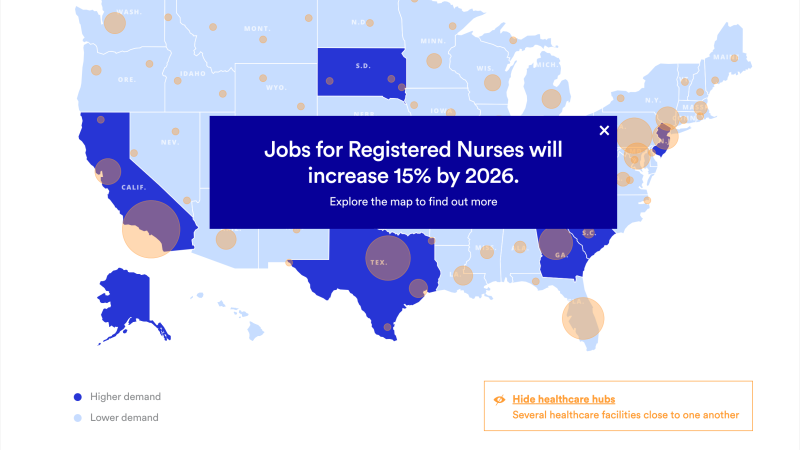
2. Nursing is a fast-growing, in-demand profession
The demand for nurses continues to grow, adding more than 200,000 positions annually. In 2022, the median RN salary was $81,220, making it a stable, well-paying job. Even more importantly, nursing is consistently ranked as the most trusted profession in the U.S.
3. A chance to improve health equity and access to care
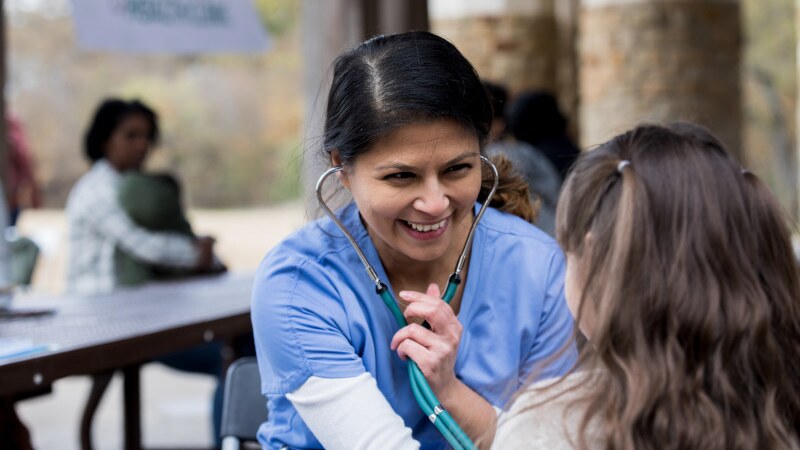
A diverse healthcare workforce can provide crucial perspectives needed to address racial and ethnic health disparities, and at present, people of color are under-represented in nursing and medical careers.3 When it comes to addressing health disparities, representation matters. When the person who cares for you looks like you, trust and quality of care improve.4 Cultivating a diverse work force is critical to advance health equity.

4. Many opportunities for financial aid and scholarships
Many resources exist to assist nursing students with the cost of nursing school, from federal student aid (FAFSA) to scholarships and grants. Loan repayment programs are often overlooked but are a great option to consider. Nurse Corps scholarship and loan repayment programs are federally funded, and some employers also offer similar programs.

5. Flexible educational pathways to becoming a nurse
There are several educational pathways available to help you get started. Some nursing options require short-term training and allow you to enter the workforce quickly, making nursing education more affordable. Some nurses choose to enter the profession as an associate degree nurse (ADN) and obtain their bachelor’s degree (BSN) while working as a Registered Nurse (RN). Others, with experience both within and outside of the medical field may often also consider nursing as a rewarding second career.
Learn about the different types of degrees here and determine which options might be right for you.
6. Something for everyone. Over 100 specialties to meet your needs
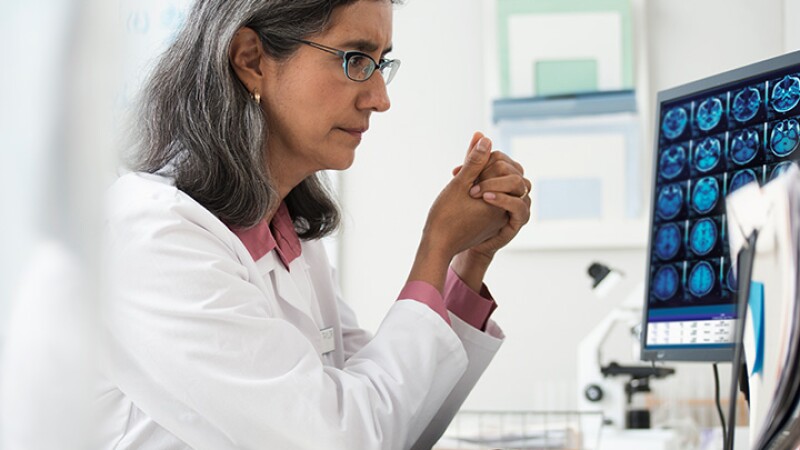
Once you’re a Registered Nurse (RN) you can take your career in so many new directions by specializing in an area you really enjoy, with endless opportunities to remain within healthcare or to purse a career outside of the medical field. The diverse range of specialties within nursing ensures that there is always room for growth and opportunities to explore new career paths and environments that meet your personal and professional needs. Specializing will give you greater responsibilities and a potentially higher salary, and you’ll have a new level of confidence to go deeper into what you love to do.
No matter how far you are in your nursing journey, there is a specialty to suit you.
-
7. Transforming healthcare through leadership and innovation
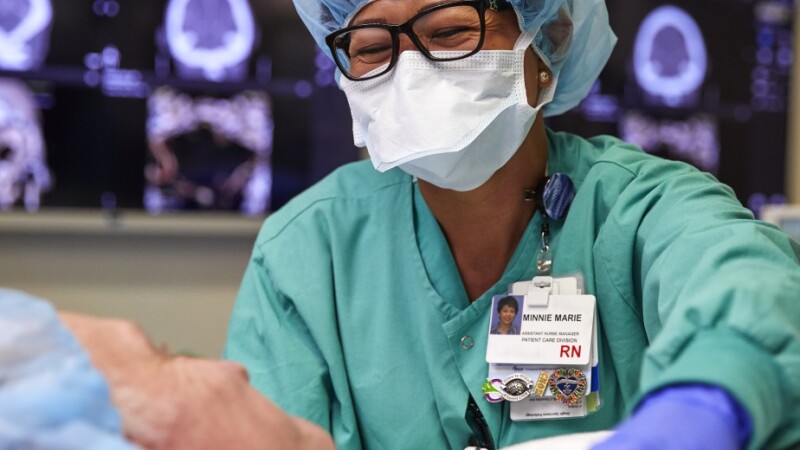
Through innovative and human-centered solutions, nurses are coming up with solutions to solve for today’s most challenging healthcare problems such as health equity, access to care, policy, new products, technology, and more. With the goal to improve human health, increased efficiency in healthcare systems, and the overall wellbeing of the communities they serve, nurses lead as change agents.
8. Nursing as a second career opens a pathway to transfer skills
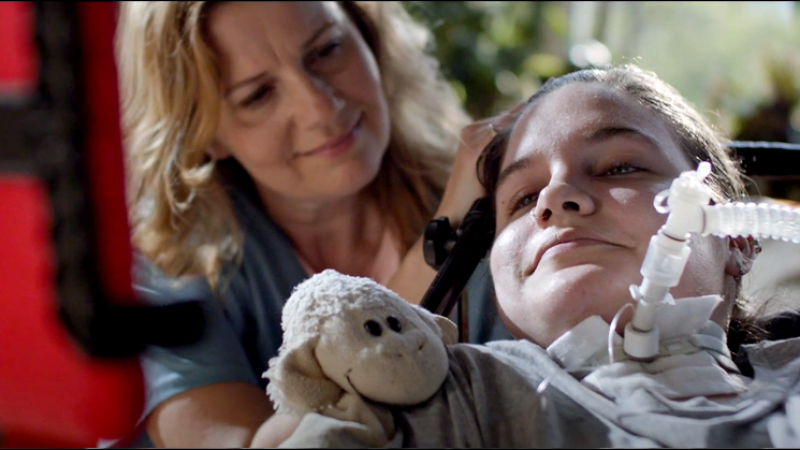
Nursing as a second career is a valuable pathway for individuals seeking a change or returning to education. It offers an opportunity to leverage prior life and work experiences, enhancing one’s empathy and adaptability in patient care. Moreover, the demand for experienced professionals from various backgrounds contributes to the diversity and resilience of the nursing workforce.
-
9. Collaborate with different healthcare professionals
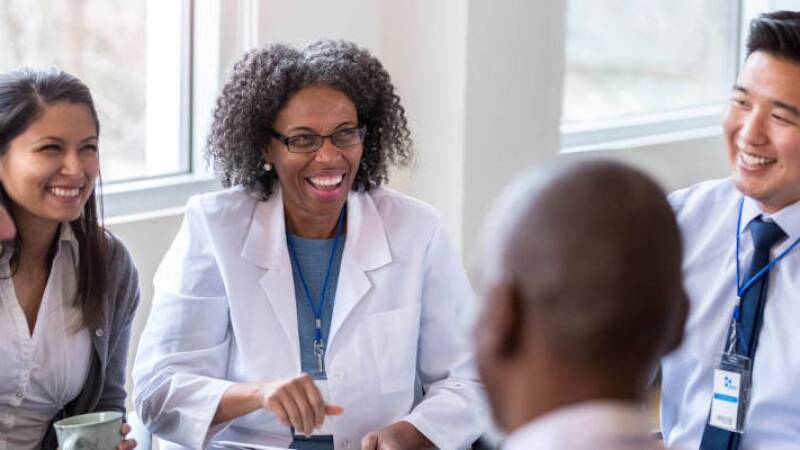
Holistic care is at the foundation of nursing education and, as such, nurses are key members of the interdisciplinary healthcare team, coordinating the different medical specialties and community resources to develop comprehensive care plans. This collaborative approach ensures patients receive individualized care.
BSN Program Nursing Facts
Article shared from NurseTogether
Becoming a registered nurse is the ultimate goal for a lot of men and women looking to enter the medical field. Registered nurses work directly with patients to provide care and have a wealth of knowledge and skills to offer, but there might be a few things that you didn’t know about registered nurses. Without further ado, here are 45 fun, interesting and surprising facts about registered nurses.
Nursing Facts
1. Florence Nightingale, a British nurse, and statistician, is considered to be the mother of modern nursing for her influence on how nurses were educated and viewed by society.
2. Florence Nightingale shaped the healthcare industry during the Crimean War when she introduced the concepts of hand hygiene, fresh air for patients, cleaning tools between patients, and other sanitation practices which resulted in saving many soldiers’ lives.
3. Florence Nightingale lived from 1820 to 1910 and was born in Italy although she was raised in England. She established the first scientifically-based nursing school 1860 appropriately named the Nightingale School of Nursing at St. Thomas Hospital in London.
4. The symbol for nursing is a lamp. Florence Nightingale was famous for carrying a lamp with her at night as she made her way between the tents of wounded and ill soldiers during the Crimean War, and was often referred to as “the lady with the lamp”. She also made the white nursing cap, used to hold hair back, famous and synonymous with the nursing profession.
5. Nursing caps are now usually only worn in ceremonies, often during graduation ceremonies for new nurses to symbolize their welcome into the profession. The famous hats have stopped being worn due to the fact that they can collect microbes (bacteria and viruses) and become unsanitary.
6. Nurses are considered one of the most trustworthy and ethical professions in the United States. In the year 2020, nurses were voted the #1 most trustworthy and ethical professionals for the 18th year in a row. The nursing profession beats out doctors, policemen, firemen, teachers, and even clergy.
Read entire article by visiting HERE
Welcome to Sumner College – New Classes
Welcome to the Sumner College family! This past Monday, we had the privilege of welcoming a new cohort of nursing students as they took the…
Share at FacebookShare at TwitterShare at PinterestShare at LinkedIn
Best College Rankings
Sumner College has been recognized in the Niche Best Colleges Rankings for excellence in nursing education and student value! These rankings reflect our commitment to providing…
Share at FacebookShare at TwitterShare at PinterestShare at LinkedIn
Why Hands-On Experience Matters in Nursing School
Why Hands-On Experience Matters in Nursing School When people think about nursing school, they often picture textbooks, lectures, and exams. While those are important parts…
Share at FacebookShare at TwitterShare at PinterestShare at LinkedIn
Sumner College in Bend Meets Nursing Needs
Healthcare in Oregon isn’t just growing—it’s changing. Advances in technology, shifts in patient demographics, and an increased focus on preventative and community-based care are reshaping…
Share at FacebookShare at TwitterShare at PinterestShare at LinkedIn
The Value of a BSN for Oregon’s Growing Healthcare Needs
The Value of a BSN for Oregon’s Growing Healthcare Needs Oregon’s healthcare system is evolving rapidly—and with that growth comes an increasing demand for highly…
Share at FacebookShare at TwitterShare at PinterestShare at LinkedIn
Why Earn Your BSN at Sumner College’s Bend Campus
Why Earn Your BSN at Sumner College’s Bend Campus The demand for highly educated nurses continues to grow across the United States. Many healthcare organizations…
Share at FacebookShare at TwitterShare at PinterestShare at LinkedIn
How Advancing Your Degree Expands Your Nursing Career Opportunities
How Advancing Your Degree Expands Your Nursing Career The healthcare industry is constantly evolving, and nurses play a critical role in meeting the growing needs…
Share at FacebookShare at TwitterShare at PinterestShare at LinkedIn
What Employers Look for in New Nursing Graduates in Oregon
Starting Your Nursing Career in Oregon Graduating from nursing school is a major milestone — but what happens next? Healthcare employers in Oregon aren’t just…
Share at FacebookShare at TwitterShare at PinterestShare at LinkedIn
Experienced Nursing Faculty & Student Support at Sumner College
If you’re looking for a nursing school in Oregon, choosing the right program means finding experienced instructors and strong academic support. At Sumner College, students…
Share at FacebookShare at TwitterShare at PinterestShare at LinkedIn
Nursing In-Demand
Why Nursing Is One of the Most In-Demand Careers Healthcare is an essential industry, and nursing remains one of the most consistently in-demand careers across…
Share at FacebookShare at TwitterShare at PinterestShare at LinkedIn
5 Signs Nursing Might Be the Right Career for You
5 Signs Nursing Might Be the Right Career for You Choosing a career is one of the most important decisions you’ll ever make—and if you’ve…
Share at FacebookShare at TwitterShare at PinterestShare at LinkedIn
From Classroom to Clinic
From Classroom to Clinic: Hands-On Training at Sumner College At Sumner College, education doesn’t stop at the classroom door. From the very first term, students…
Share at FacebookShare at TwitterShare at PinterestShare at LinkedIn
What to Expect Your First Term
Starting college—especially in a healthcare program—is an exciting step, and your first term at Sumner College is designed to set you up for long-term success.…
Share at FacebookShare at TwitterShare at PinterestShare at LinkedIn
How Long Does it Take to Become a Nurse?
How Long Does It Take to Become a Nurse? If you’re considering a career in nursing, one of the first questions you may ask is:…
Share at FacebookShare at TwitterShare at PinterestShare at LinkedIn
Why Should I Pursue a BSN Degree?
Why Should I Pursue a BSN Degree? | Benefits of Earning Your Bachelor of Science in Nursing If you’re exploring a career in nursing or…
Share at FacebookShare at TwitterShare at PinterestShare at LinkedIn
Become a LPN Today!
Do I Need an Undergraduate Degree to Be a Nurse? If you’ve ever thought about becoming a nurse, you might assume it requires a four-year…
Share at FacebookShare at TwitterShare at PinterestShare at LinkedIn
Honoring Service – How Military Experience Translates to a Career in Healthcare
At Sumner College, we proudly honor our veterans and active-duty service members this Veterans Day Weekend. Service in the military is built on dedication, teamwork,…
Share at FacebookShare at TwitterShare at PinterestShare at LinkedIn
Future nurses—don’t forget!
Your TEAS exam is one of the most important steps in your Sumner College application process! The TEAS (Test of Essential Academic Skills) helps measure…
Share at FacebookShare at TwitterShare at PinterestShare at LinkedIn
Sumner College Partners with K103 for the 2024 Holiday Toy Drive – Donations Now Open!
The holiday season is officially underway, and Sumner College is excited to announce our partnership with K103’s Annual Holiday Toy Drive, launching today! This joyful…
Share at FacebookShare at TwitterShare at PinterestShare at LinkedIn
Why Should I Pursue a BSN Degree?
Thinking about advancing your nursing education? Earning your Bachelor of Science in Nursing (BSN) is one of the best investments you can make in your nursing career—and in…
Share at FacebookShare at TwitterShare at PinterestShare at LinkedIn
What Is a BS in Nursing?
If you’re a registered nurse looking to take your career to the next level, you’ve probably heard about earning your BS in Nursing (BSN). But what…
Share at FacebookShare at TwitterShare at PinterestShare at LinkedIn
What Prerequisites Do I Need For a Nursing Degree?
Dreaming of becoming a nurse but worried about all the prerequisites? At Sumner College, we’ve removed the biggest roadblock to your nursing education — no…
Share at FacebookShare at TwitterShare at PinterestShare at LinkedIn
Sumner College Ranked #3 in Best Value Colleges in Oregon
At Sumner College, our mission has always been to provide high-quality nursing education that’s both accessible and affordable. We’re proud to share that Sumner College…
Share at FacebookShare at TwitterShare at PinterestShare at LinkedIn
FAFSA Season
The vast majority of college students—more than 85%—rely on financial aid to make higher education possible. At the center of that process is the Free…
Share at FacebookShare at TwitterShare at PinterestShare at LinkedIn
How Many Years Does It Take To Get A Nursing Degree?
How Many Years Does It Take to Get a Nursing Degree? If you’re thinking about a career in nursing, one of the first questions that…
Share at FacebookShare at TwitterShare at PinterestShare at LinkedIn
All About CCNE Accreditation
Why CCNE Accreditation Matters – And What It Means for Sumner College Students When choosing a nursing program, one of the most important factors to…
Share at FacebookShare at TwitterShare at PinterestShare at LinkedIn
Is There a 2 Year Nursing Degree?
Is There a 2-Year Nursing Degree in the United States? If you’re considering a career in nursing, you’ve probably wondered about the different educational pathways…
Share at FacebookShare at TwitterShare at PinterestShare at LinkedIn
Why Should I Get a BSN?
Why Should I Get a BS in Nursing? If you’re considering a career in healthcare, you may already know that nursing is one of the…
Share at FacebookShare at TwitterShare at PinterestShare at LinkedIn
Become a Registered Nurse in Less Time with Sumner College
Become a Registered Nurse in Less Time with Sumner College For many people who feel called to nursing, the idea of spending four or more…
Share at FacebookShare at TwitterShare at PinterestShare at LinkedIn
Nursing at Sumner College
Becoming a Nurse: Your Path Starts at Sumner College Nursing is more than a career—it’s a calling. Nurses are at the heart of healthcare, providing…
Share at FacebookShare at TwitterShare at PinterestShare at LinkedIn